Common cleaning delays in Hampstead and what to expect
If you have ever booked a cleaner and then watched the clock creep forward, you will know how frustrating delays can be. In Hampstead, that can happen for all sorts of ordinary reasons: parking, access issues, last-minute changes, a property that is more involved than expected, or simply a cleaner arriving to a home that needs more time than the quote allowed for. This guide on common cleaning delays in Hampstead and what to expect is here to help you understand the real-world causes, the likely knock-on effects, and the best way to keep everything moving smoothly.
Truth be told, most delays are not dramatic. They are usually small things that stack up. A key is missing. A lift is out of service. A builder has left more dust than anyone planned for. Or the schedule is squeezed by London traffic and tight parking. The good news? Once you know what typically slows a job down, it becomes much easier to plan around it and avoid that last-minute panic.
Why Common cleaning delays in Hampstead and what to expect Matters
Cleaning delays matter because they affect more than the cleaning itself. They can disrupt moving day, delay tenant handovers, push back property photos, upset a rental changeover, or leave you trying to tidy around a cleaner who is stuck outside waiting for access. In a place like Hampstead, where streets can be busy and homes are often older, elegant, and a little awkward in layout, a small delay can quickly become a bigger scheduling issue if nobody has planned for it.
That is especially true for jobs such as end of tenancy cleaning, move in cleaning, or a deeper refresh like deep cleaning. These services are often booked around a deadline. If the clean starts late, everything behind it starts to wobble. Not ideal. And, let's face it, nobody wants to be standing in the hallway with boxes while the oven is still half-done.
Understanding likely delays also helps you judge what is normal and what is not. A short wait because a previous job ran long is one thing. A complete breakdown in communication is another. Once you can tell the difference, you can make better decisions about booking, preparation, and whether to choose a one-off clean or a more regular arrangement such as regular cleaning.
How Common cleaning delays in Hampstead and what to expect Works
Most delays follow a fairly predictable pattern. The cleaner or team arrives, but they are slowed by an access issue, by equipment setup, by parking, or by the condition of the property not matching what was described. In many cases, the delay is not the cleaning process itself. It is the setup around it.
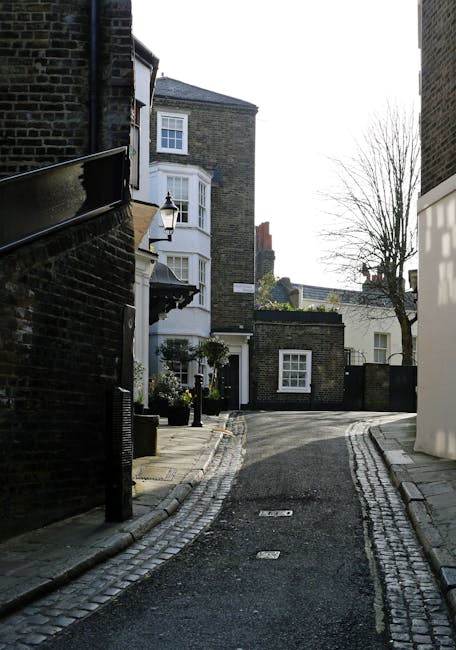
In Hampstead, there are a few local realities that crop up often. Narrow residential streets can make loading and unloading slower. Permit parking or limited stopping space can add five or ten minutes, sometimes more. Flats above shops or in converted buildings may mean stairs, coded entry, or awkward entry times. If a property sits in a conservation-minded, older, or particularly busy pocket of the area, the cleaner may need to work around building access, neighbours, or lift restrictions. None of this is unusual. It just needs to be accounted for.
Then there is the scope issue. A quote for a standard clean is built around a certain level of dirt, clutter, and surface area. If the property needs after builders cleaning, heavy stain removal, or specialist work like pet stain odour removal, the timeline changes. A cleaner may need to reassess on arrival, explain the extra work, and either extend the visit or reschedule part of the job. That is not a failure; it is a practical adjustment.
Sometimes the delay is self-inflicted by the prep, if we are honest. A sink full of dishes, toys on the floor, or a pile of laundry makes the job slower even if the clean itself is straightforward. The cleaner can work around some of it, of course, but every extra obstacle adds minutes. Minutes turn into an hour before you know it. And that hour matters when the next client is booked after you.
Key Benefits and Practical Advantages
It might sound odd to talk about the benefits of delays, but there really are benefits to knowing how they happen. First, you get better control over your day. If you know a clean can overrun, you can plan the key handover, childcare, work calls, or moving van timing around that reality.
Second, it helps you book the right service. A quick tidy for a lived-in flat is very different from a full house cleaning appointment or an intensive one off cleaning visit. Knowing the likely delay points lets you choose a service that fits the property rather than trying to force the property into the wrong service slot. That alone saves a lot of back-and-forth.
Third, it reduces stress. A delay feels smaller when you know what is normal. A cleaner running ten minutes late because of parking is not the same as a no-show. A job taking longer because the kitchen has thick grease build-up is not a surprise if the issue was discussed beforehand. You are not left guessing, which is half the battle.
Expert summary: the best cleaning jobs are not the ones that never face delays; they are the ones where the client, cleaner, and property all start with the same expectation. That shared understanding keeps the day calm, even when things shift a bit.
Who This Is For and When It Makes Sense
This guide is useful for homeowners, tenants, landlords, letting agents, office managers, Airbnb hosts, and anyone arranging cleaning in Hampstead with a specific deadline in mind. If you are moving out, moving in, handing over keys, preparing for guests, or getting ready for inspections, delays become much more than an inconvenience.
It is also helpful if you manage commercial spaces. With office cleaning and commercial cleaning, delays can affect staff access, opening times, reception use, and sometimes even health-and-safety arrangements in shared areas. For buildings with communal hallways or shared entrance points, communal area cleaning may need coordination with residents or building managers. That coordination is where many time losses happen.
And then there are specialist situations. If you are booking carpet cleaning, sofa cleaning, curtain cleaning, or window cleaning, you might think the job is purely technical. Often it is. But access, dry time, room layout, and furniture movement can slow it all down. One sofa moved late, one awkward staircase, and the schedule changes. It happens.
For landlords and guests turnarounds, Airbnb cleaning can be particularly sensitive. If check-in is at 3 p.m. and the previous stay ran messier than expected, even a modest delay can affect the next booking. That is why buffer time is not a luxury. It is sensible planning.
Step-by-Step Guidance
Here is the simplest way to think about a cleaning appointment in Hampstead when delays might happen.
- Confirm the job scope properly. Make sure the cleaner knows what rooms, surfaces, and problem areas are included. Mention carpets, upholstery, oven state, pet issues, and any builder dust.
- Check access before the day. Keys, entry codes, concierge rules, parking, permits, lifts, and any time restrictions should be settled early.
- Clear the obvious obstacles. Small items, personal belongings, and clutter slow the work down. Even ten minutes of prep can save far longer later.
- Allow for setup time. Equipment does not magically appear ready. Steam cleaners, vacuums, and specialist products need unloading and positioning. Small thing, but it counts.
- Expect a quick inspection. A good cleaner will usually check the property first and flag anything that may need extra time, such as heavy soiling or delicate materials.
- Build in a cushion. If the job is tied to moving day, avoid scheduling the removal van, handover, or inventory appointment back-to-back with the clean.
- Ask for an update if needed. If the team is delayed, or if the job is turning out larger than planned, ask for a realistic revised finish time rather than guessing.
If the work is around specialist surfaces, the order matters too. For example, hard floor cleaning and oven cleaning may be done early or late depending on drying time and room access. That can change the sequence of the whole visit. A sensible cleaner will adjust. A rushed one, well... you will feel it.
Expert Tips for Better Results
The biggest tip is simple: tell the truth about the job. Not in a dramatic way, just in an accurate one. If the carpet has pet accidents, say so. If the oven has not been cleaned in a long while, say that too. If the flat has four flights of stairs and no lift, mention it before the appointment, not after the van is parked.
Another good habit is to send photos where appropriate. Not because every job needs a full visual dossier, but because pictures help the cleaner judge time, tools, and staffing. A quick image of a stained rug or a badly splashed backsplash is worth more than a vague description. It keeps expectations realistic.
For move-related jobs, try to avoid booking the clean before the property is actually empty. A few leftover boxes might not sound like much, but they can slow down a detailed clean by a surprising amount. The same applies to move out cleaning: the cleaner needs access to the whole property, not just the parts you had time to clear.
If you are arranging a rental turnaround or managed property clean, keep a short buffer between jobs. Even thirty minutes can be enough to absorb a delayed arrival, a wetter-than-expected floor, or a quick fix to a missed corner. It is boring planning, yes, but it works.
One more thing: if you want a specialist job done in a single visit, ask whether it is realistic. A combined clean involving carpets, upholstery, curtains, and an oven can be perfectly doable, but only if the schedule is built for it. Otherwise, you end up forcing a marathon into a sprint, and nobody enjoys that.
Common Mistakes to Avoid
A lot of delay problems begin before the cleaner even arrives. Here are the mistakes people make most often.
- Underestimating access time. A short distance on the map does not mean a quick arrival in real life, especially with parking or one-way streets.
- Booking the wrong level of service. A light tidy is not the same as deep or specialist cleaning.
- Leaving too little room between appointments. Clean, inspect, dry, hand over. That chain needs breathing space.
- Failing to mention problem areas. Heavy stains, odours, grease build-up, mould spots, or post-build dust all change the pace.
- Expecting instant drying. Some jobs, especially steam carpet cleaning and upholstery work, need drying time before the room feels fully ready.
- Forgetting about shared spaces. Hallways, lifts, and entrance controls can be the hidden bottleneck.
There is also the emotional mistake of assuming a delay means poor service. Sometimes it does. Sometimes it is just a very normal bit of London life. A cleaner who explains the issue clearly and gives you a revised plan is usually doing the right thing. Silly as it sounds, communication can save an appointment from feeling like a mess.
Tools, Resources and Recommendations
You do not need specialist software to avoid cleaning delays, but a few simple tools help a lot:
- Photo messages for showing the condition of rooms or problem items before the visit.
- Key and access notes written down in one place, especially for landlords or office managers.
- A timing buffer in your own diary so the clean does not sit exactly between two hard deadlines.
- A quick room-by-room list so nothing gets forgotten in the handover.
- Drying space and ventilation ready in advance for carpets, upholstery, and rugs.
If you are comparing service options, it can help to look at whether a provider offers domestic cleaning, house cleaning, or a more targeted service like rug cleaning or mattress cleaning. Matching the job to the right service is one of the simplest ways to avoid overrun.
For service planning and practical booking questions, it is also worth reviewing pricing and quotes, along with the company's terms and conditions, so you know what is included and how time extensions are handled. That is just sensible, really.
Law, Compliance, Standards, or Best Practice
Cleaning delays are not usually about law, but good practice does matter. In the UK, businesses working in homes and commercial premises should take care with safety, insurance, access arrangements, and waste handling. You do not need to overcomplicate it; just make sure the cleaner is operating in a way that is clear, responsible, and honest.
If work involves wet floors, chemicals, equipment leads, stairs, or crowded entrances, a tidy safety routine matters. That can mean warning occupants about damp surfaces, keeping doorways clear, and making sure the work area is as safe as practical. A sensible provider will usually explain this plainly rather than hide behind jargon.
For shared residential blocks or managed buildings, best practice also means respecting building rules, entry windows, noise expectations, and communal access. Nobody likes a cleaner blocking a hallway or leaving equipment in the wrong place. Small details, but they make a big difference.
It is also wise to check insurance and accountability before booking, especially for larger or higher-value properties. Pages such as insurance and safety, health and safety policy, and complaints procedure can help you understand how a provider handles risk, incidents, and concerns. That kind of transparency is a good sign. A very good sign, actually.
Options, Methods, or Comparison Table
Different delay causes call for different responses. Here is a practical way to compare them.
| Delay type | What usually causes it | What to expect | Best response |
|---|---|---|---|
| Access delay | Missing keys, codes, concierge rules, locked gates | Start time slips, but the job may still finish normally | Confirm access details in advance and keep a backup contact |
| Parking delay | Limited loading bays, permit restrictions, busy streets | Short arrival lag and slower unloading | Share parking guidance early and allow extra arrival time |
| Scope delay | Property condition differs from what was described | The cleaner may need longer or may reschedule part of the work | Be detailed upfront and send photos if useful |
| Drying delay | Steam cleaning, upholstery, or carpet work needs time to dry | Rooms may be usable later than planned | Ventilate well and avoid walking on damp areas too soon |
| Preparation delay | Rooms not cleared, clutter left behind, pets needing management | The cleaner spends time moving around obstacles | Do a quick prep sweep before the visit |
If you are booking for a business, commercial carpet cleaning and commercial cleaning often need the most careful scheduling because staff access, customer flow, and drying time all matter. For homes, the main issue is usually scope creep: one room turns up more work than expected. Very common, honestly.
Case Study or Real-World Example
Here is a realistic example from a Hampstead flat clean. A tenant booked an end of tenancy service for a two-bedroom flat near a busy stretch of road, with key handover later that afternoon. On the day, the cleaner arrived on time but spent an extra fifteen minutes finding a suitable place to stop and unload equipment. That alone pushed the start back a little.
Once inside, the team found the oven was heavier on grease than the photos suggested, the bathroom had limescale build-up around the taps, and the living room carpet needed more attention than expected. None of this was outrageous. Just enough to add time. The client had luckily left a forty-five-minute buffer before the inventory appointment, so the delay did not become a crisis.
The useful lesson? The job was not badly managed; it was under-described. Once the cleaner knew the true condition of the property, they could adjust the pace and still complete the priority work. That is why accurate information matters more than most people think. It saves you from awkward surprises, and it keeps the day steady.
In a slightly different case, a landlord preparing for a new tenant booked move in cleaning plus window cleaning. The windows took less time than expected, but the carpet drying needed longer because the flat was cool and the afternoon was damp. Not a problem, but the property could not be fully settled until later that evening. Small delay, real impact.
Practical Checklist
Use this quick checklist before your booking.
- Confirm the exact address, access instructions, and contact number.
- Check whether parking or unloading is likely to be awkward.
- Tell the cleaner about stains, odours, pet issues, or post-renovation dust.
- Clear surfaces, floors, and high-traffic areas where possible.
- Ask whether drying time will affect room use later in the day.
- Leave a buffer if the clean is tied to moving, inspections, or guest arrival.
- Review relevant service details before you book.
- Keep keys, codes, and backup contacts ready.
- Expect a quick on-site assessment at the start of the job.
- Stay reachable in case the team needs a decision during the visit.
Quick takeaway: a little preparation can cut a lot of friction. You do not need perfection. You just need enough clarity that the cleaner can start properly and keep moving.
Get a free quote today and see how much you can save.
Conclusion
Cleaning delays in Hampstead are usually manageable once you understand what causes them. Access, parking, property condition, drying time, and scope changes are the usual suspects. None of that is especially mysterious. The tricky part is when people pretend it will all be fine without planning for it. That is where jobs drift.
If you want a smoother experience, match the service to the property, share the real condition upfront, and leave a sensible buffer in your schedule. Whether you need one off cleaning, regular cleaning, or a more specialised visit, the same rule applies: clarity beats guessing every time.
And if the day does run a little longer than planned? That is not the end of the world. A calm, well-communicated clean is still a good clean. Sometimes even better, because everyone knows what is happening and why. That peace of mind counts for a lot.
Frequently Asked Questions
What are the most common cleaning delays in Hampstead?
The most common delays are parking problems, difficult access, missing keys or codes, more dirt than expected, and extra drying time after carpet or upholstery cleaning.
How much delay is normal for a cleaner arriving in Hampstead?
A short delay can happen because of local traffic, parking, or access issues. What matters more is clear communication and a realistic revised start time if needed.
Can a cleaning job overrun if the property is in worse condition than expected?
Yes. If the property needs more work than described, the team may need longer or may focus on the priority areas first. Heavy staining or builder dust often changes the schedule.
Why does access matter so much for cleaning appointments?
Because even a skilled cleaner cannot work efficiently if they are waiting for keys, entry codes, lifts, or someone to let them in. Access delays are one of the biggest causes of lost time.
Should I tell the cleaner about pet stains or smells before the visit?
Definitely. Pet issues can affect the products, method, and timing. Mentioning them early helps the cleaner plan properly and reduces the risk of delay on the day.
What should I do if my cleaning appointment is tied to a move-out deadline?
Leave a buffer. If possible, do not schedule the clean right up against key handover or inventory time. That extra space can save you a lot of stress if the job takes longer.
Do carpet and upholstery jobs need extra drying time?
Often, yes. Steam carpet cleaning, sofa cleaning, and upholstery cleaning can leave fabrics or floors damp for a while, so plan around that if the room needs to be used quickly.
Is it better to book a one-off clean or regular cleaning if I want fewer delays?
Regular cleaning can help keep dirt from building up, which usually makes each visit more predictable. A one-off clean is still fine, but it is more likely to need extra time if the property has been left for a while.
How can I reduce cleaning delays before the team arrives?
Clear clutter, confirm access, share parking details, be honest about the job condition, and send photos if useful. A few minutes of prep can prevent a lot of disruption later.
What if the cleaner needs to change the plan once they arrive?
That is not unusual. A good cleaner will explain why the plan needs to change and what the new timing or scope looks like. Better that than pretending everything is fine and scrambling later.
Are delays a sign of poor service?
Not always. Some delays are caused by normal local conditions or by the property being more complex than expected. Poor communication is the bigger warning sign.
Where can I check how a company handles complaints or safety?
It is sensible to review the provider's complaints, insurance, and health and safety information before booking. That gives you a clearer idea of how they handle issues if something goes off plan.