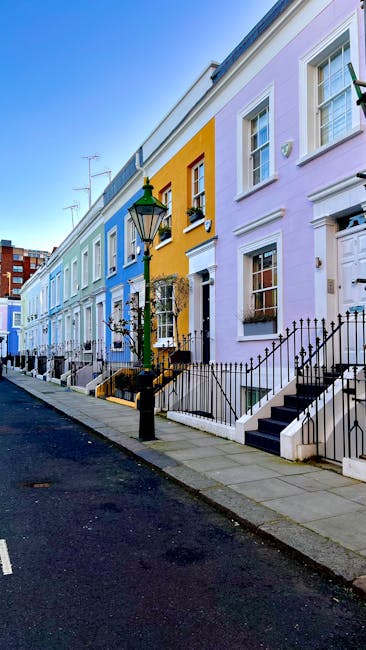
End of tenancy cleaning Hampstead Village checklist
If you are moving out of a flat or house in Hampstead Village, the cleaning stage can feel oddly bigger than the move itself. Boxes are everywhere, the keys are nearly handed back, and suddenly you are staring at skirting boards, oven trays, and marks you have stopped noticing for months. That is exactly where a proper End of tenancy cleaning Hampstead Village checklist helps. It turns a stressful final clean into a clear sequence, so nothing gets missed and you are not left arguing over avoidable dust or grease.
This guide is designed to be practical, local, and realistic. You will find a room-by-room checklist, common mistakes to avoid, a comparison of DIY versus professional cleaning, and a few small details that matter more than people expect. Let's face it, end of tenancy cleaning is rarely glamorous. But done well, it can save time, reduce friction with the landlord or agent, and make the handover feel much smoother.
For tenants who want a broader view of services and options, our services overview is a useful starting point, and if you need support beyond this article, the dedicated end of tenancy cleaning in Hampstead page explains how the service fits a real move-out timeline.
Table of Contents
- Why End of tenancy cleaning Hampstead Village checklist Matters
- How End of tenancy cleaning Hampstead Village checklist Works
- Key Benefits and Practical Advantages
- Who This Is For and When It Makes Sense
- Step-by-Step Guidance
- Expert Tips for Better Results
- Common Mistakes to Avoid
- Tools, Resources and Recommendations
- Law, Compliance, Standards, or Best Practice
- Options, Methods, or Comparison Table
- Case Study or Real-World Example
- Practical Checklist
- Conclusion
- Frequently Asked Questions
Why End of tenancy cleaning Hampstead Village checklist Matters
End of tenancy cleaning is not just "a deep clean before you leave". In practice, it is the final presentation of the property after you have lived there. That means removing everyday build-up from kitchens, bathrooms, floors, surfaces, fixtures, and often carpets or upholstery too. A landlord or letting agent will usually compare the condition against the move-in standard, wear and tear aside. The better your finish, the fewer awkward follow-up messages you are likely to receive.
In Hampstead Village, rentals often include older character properties, high-spec apartments, and homes with lots of detail: sash windows, original floors, ornate fittings, and fitted storage that collect dust in sneaky little corners. Those features look lovely, but they also make a rushed clean less convincing. A checklist keeps the job grounded. Instead of asking "Have I cleaned enough?", you are asking "Have I completed each area properly?" Much easier.
There is another reason it matters. Moving day is chaotic. You might be packing late, juggling keys, or trying to get one final bag down a narrow stairwell without scratching anything. A checklist reduces the mental load. It creates order when the rest of the day feels a bit scrambled.
Expert takeaway: the best end of tenancy cleans are not necessarily the most dramatic ones; they are the most consistent ones. A clean oven, wiped seals, polished taps, and dust-free edges often matter more than spotless-looking floors alone.
If you are still deciding whether to hire help or manage it yourself, reading about pricing and quotes can help you compare options without guesswork. And if the move is part of a bigger life change in the area, the Hampstead locals' living guide offers some useful local context.
How End of tenancy cleaning Hampstead Village checklist Works
The simplest way to think about the process is this: clean from top to bottom, back to front, and dry to wet where possible. Start with dust, cobwebs, and high surfaces. Then work through appliances, fixtures, and touchpoints. Finish with floors and final detailing. This keeps cleaned areas from getting dirty again halfway through.
A good checklist usually follows the same pattern in every room:
- Declutter first so you can actually reach surfaces and corners.
- Dust high-level areas such as shelves, picture rails, tops of cupboards, and light fittings.
- Clean surfaces and fixtures using appropriate products for each material.
- Detail edges and hidden points like sockets, door handles, hinges, and skirting boards.
- Save floors until last so you are not walking dirt back over cleaned areas.
That sounds obvious, but in a real property it is easy to skip. Especially if you are cleaning while waiting for removals, or trying to get the final bag out before the evening. A bit of structure makes the difference between "looks okay" and "properly ready".
Professional end of tenancy cleaning usually follows a room-by-room checklist too, but with stronger equipment, more people, and a sharper focus on the details that affect checkout inspections. Services such as domestic cleaning in Hampstead or house cleaning support can be useful if the property needs more than a quick once-over before the final handover.
Key Benefits and Practical Advantages
A thorough end of tenancy clean does more than make the property look nice. It can reduce friction, save time, and make the move-out feel much more controlled. That matters because final inspections often happen when people are tired, short on time, and mentally halfway into the next place.
- Better handover confidence: you are less likely to miss key areas such as extractor fans, toilet bases, or cupboard interiors.
- Less back-and-forth: a detailed clean can help avoid queries after checkout.
- Faster move-out day: when the jobs are listed, they are easier to divide between people.
- More consistent results: the property ends up looking considered, not just wiped down in a rush.
- Stronger first impression: if an inventory clerk or landlord walks in and sees a fresh, tidy property, the tone changes immediately.
There is also a practical financial angle. While no one wants to overspend before moving, cheap shortcuts often cost more later if they lead to extra re-cleans or disputes. A careful clean is one of those jobs where doing it once, properly, is usually cheaper in the long run. Not always, but usually.
For homes with carpets, rugs, sofas, or mattresses that have picked up everyday use, specialist cleaning can be especially helpful. You can explore carpet cleaning in Hampstead and upholstery cleaning in Hampstead if soft furnishings need more than vacuuming.
Who This Is For and When It Makes Sense
This checklist is useful for almost anyone moving out of a rented property in Hampstead Village, but it is especially relevant if you are trying to balance limited time with a fairly exacting inspection process. That can happen in studio flats, family houses, and period rentals alike.
It makes particular sense if you are:
- a tenant approaching the end of a fixed-term tenancy
- leaving after a notice period and need to hand the property back quickly
- sharing a rental and dividing move-out tasks between flatmates
- preparing a property for professional cleaning after DIY packing has finished
- trying to meet a landlord or managing agent's expected clean standard
It also helps landlords and letting agents understand the standard being aimed for. The cleaner the brief, the fewer misunderstandings later. Hampstead Village properties can vary a lot in age and finish, so one-size-fits-all assumptions tend not to work especially well.
If you are moving because you are buying locally, you may find these related Hampstead reads useful too: key steps to buy in Hampstead and savvy real estate investment in Hampstead. Different stage of the journey, same local reality: properties in this area reward careful planning.
Step-by-Step Guidance
Here is the practical sequence I would suggest if you are doing the job yourself. Keep it steady. No need to rush around doing random corners. That way lies missed grime and a very annoying second pass.
1. Empty the property as much as possible
Cleaning around furniture is rarely efficient during a final move. Remove bins, loose items, small storage, and anything that blocks access to skirting boards, windowsills, or behind radiators. If a bed or sofa is staying until the last minute, clean around it first, then move it and finish the hidden area afterwards.
2. Open windows and let the air move
Fresh air helps clear cleaning smells and makes spaces feel less heavy, especially in kitchens and bathrooms. On a damp London morning, this matters more than people think. A slightly aired room also makes it easier to spot streaks and dust on glass and glossy surfaces.
3. Tackle the kitchen in sections
The kitchen is usually the most demanding room. Break it into smaller tasks:
- clean inside and outside cupboards
- degrease the hob, extractor, splashback, and surrounding tiles
- clean the oven, trays, racks, and seal area
- wipe the fridge, freezer, and shelves
- clean sink, taps, plugholes, and draining area
- remove crumbs from drawers and corners
Do not forget the tops of cupboards. They collect a surprising amount of grease and dust, particularly if the extractor is weak or not used much. It is a tiny detail, but one that catches the eye quickly.
4. Move through the bathroom methodically
Bathrooms need limescale removal, surface sanitising, and a proper detail clean around fittings. Focus on:
- toilet, seat, lid, base, and behind the unit
- sink, taps, overflow, and splash zones
- shower screens, trays, tiles, and seals
- mirror, shelves, and storage edges
- extraction grilles and any visible mould spots
Be careful with product choice on delicate finishes. Harsh chemicals can dull some surfaces, and nobody wants to create a new problem while trying to solve the old one. A little restraint helps.
5. Clean living areas and bedrooms from top to bottom
Dust light fittings, wardrobes, shelves, door frames, and skirting boards. Wipe switches and handles. Vacuum under edges and along corners. If there are marks on walls, test any cleaner in a hidden area first. In rental properties, especially older ones, wall paint can be fragile.
6. Finish with floors and soft surfaces
Vacuum thoroughly, then mop where appropriate. For carpeted properties, a deep clean may be more effective than standard vacuuming if there are stains, traffic lanes, or pet odours. A proper carpet clean can lift a room dramatically, even when everything else looks tidy. It is one of those things people notice without quite knowing why.
7. Do a final inspection with daylight if possible
If you can, walk through the property near a window or under strong light. Check around handles, behind taps, at the bottom of shower screens, and under shelves. This final pass is where small issues show themselves: a dusty shelf edge, a smudge on a mirror, a forgotten crumb tray. Better now than at checkout.
Expert Tips for Better Results
Over the years, the difference between an acceptable clean and a strong end-of-tenancy result usually comes down to detail management, not heroic scrubbing. Here are a few tips that tend to make the biggest difference.
- Use the right cloth for the right task. Microfibre is brilliant for dust and general wiping, but a tougher pad may be needed for oven residue or limescale.
- Work in a fixed order. Kitchens first, floors last is a sensible default. It keeps the process calm.
- Let products dwell where safe. A cleaner often needs a little time to loosen grease. Wiping instantly is not always the best move.
- Check hidden edges. Around taps, behind the toilet, along window tracks, and inside cupboard lips. That is where inspection notes often come from.
- Photograph the finished property. If there is any post-checkout disagreement, a simple visual record can help your memory. Not glamorous, but useful.
One slightly underrated tip: clean in the natural light if you can. Evening light and overhead bulbs can flatter a room in odd ways. Morning daylight, less so. It shows dust. Rudely, but usefully.
If the property includes worn soft furnishings or a sofa that has absorbed years of coffee, raincoats, and the occasional take-away smell, it may be worth arranging upholstery cleaning in Hampstead alongside the rest of the move-out clean.
Common Mistakes to Avoid
People usually do not fail end of tenancy cleaning because they were lazy. More often, they were rushed, distracted, or too optimistic about how much one afternoon could cover. Very relatable, to be fair.
- Leaving the oven to the end: it is often the hardest job, and if time runs out it becomes a problem quickly.
- Cleaning around clutter: this creates missed patches and wasted effort.
- Forgetting high and low spots: tops of cupboards, skirting boards, and floor edges are commonly missed.
- Using the wrong product on delicate surfaces: this can leave haze, streaking, or dull patches.
- Skipping the final inspection: the last 10 minutes often matter more than the first 40.
- Assuming "looks clean" is enough: rentals are judged on details, not just the general feel of a room.
Another common slip is cleaning too early. If you clean days before moving out, then continue living in the property, the final result will naturally deteriorate. The timing matters. Clean close enough to the handover to keep it fresh, but after most of the packing is genuinely done.
Tools, Resources and Recommendations
You do not need a professional kit to do a solid end of tenancy clean, but you do need the right basics. A small, practical set of tools will usually outperform a cupboard full of random products.
| Item | Best use | Useful note |
|---|---|---|
| Microfibre cloths | Dusting and general wiping | Keep separate cloths for kitchen and bathroom if possible |
| Vacuum cleaner | Floors, edges, upholstery, stairs | A crevice tool is very handy around skirting and corners |
| Non-abrasive sponges | General surface cleaning | Safer on gloss, painted wood, and fitted furniture |
| Degreaser | Ovens, hobs, cooker hoods | Check compatibility with the surface first |
| Limescale remover | Taps, shower glass, sinks | Particularly useful in bathrooms and hard-water areas |
| Bucket and mop | Hard floors | Use fresh water so you are not spreading dirt around |
| Rubber gloves | Protection during heavier cleaning | Helpful for long kitchen or bathroom sessions |
If you want support that fits more than one area of the home, it can be helpful to look at house cleaning services in Hampstead or broader domestic cleaning options. And if you are exploring the company background before booking, the about us page is the sensible place to start.
Law, Compliance, Standards, or Best Practice
For tenants, the key point is usually not some obscure clause; it is the practical expectation that the property is returned in a condition consistent with the tenancy agreement, allowing for fair wear and tear. That phrase gets used a lot for good reason. Normal wear is one thing. Built-up dirt, grease, stains, and neglected areas are another.
In the UK rental market, landlords and agents commonly expect:
- a professionally cleaned or thoroughly cleaned property at move-out if the tenancy agreement says so
- appliances to be left in a usable and reasonably clean condition
- bathrooms, kitchens, and floors to be hygienic and free from obvious residue
- carpets and upholstery to be addressed where they are part of the inventory or visibly soiled
Best practice is simple: check the tenancy agreement, compare the property against the inventory, and keep evidence of what you cleaned. If specialist cleaning was required, make sure the work is completed before the final inspection and that any relevant paperwork or receipt is stored safely. It sounds dry. It is dry. But it saves headaches.
For anyone worried about service standards, safety, or how a provider works on site, useful trust pages include health and safety policy, insurance and safety information, and terms and conditions. Those pages help set expectations before work begins.
Options, Methods, or Comparison Table
Choosing between doing it yourself and hiring help usually comes down to three things: time, property condition, and how strict the handover is likely to be. Here is a simple comparison.
| Approach | Best for | Pros | Potential downside |
|---|---|---|---|
| DIY end of tenancy clean | Smaller, well-kept properties with enough time before move-out | Lower direct cost, full control over timing | Easy to miss detail work, tiring during moving week |
| Partial DIY with targeted professional help | Homes needing support with carpets, ovens, or bathrooms | Balanced cost, covers the hardest jobs | Still requires good planning and coordination |
| Full professional end of tenancy clean | Busy moves, larger homes, or properties with higher inspection expectations | Efficient, detailed, more consistent finish | Higher upfront spend than DIY |
There is no one right answer for everyone. A tidy studio near the Village can be manageable with a strong checklist and a free afternoon. A larger rented home with carpets, fitted wardrobes, and a stubborn oven? Honestly, that is where professional support often starts to make real sense.
Case Study or Real-World Example
Consider a typical Hampstead Village move-out: a two-bedroom flat with a small kitchen, one bathroom, wooden floors in the living room, and carpet in the bedrooms. The tenants had packed early, but cleaning was left until the last day because, well, life got in the way. By late afternoon, they had done the obvious bits: wiped surfaces, vacuumed floors, and cleared bins. But the oven still had baked-on residue, the shower screen had limescale, and the top of a wardrobe had a fine layer of dust.
That is the kind of property where the checklist changes the result. Once the cleaning was broken down room by room, the final work became manageable:
- kitchen grease was tackled with a staged clean rather than one fast wipe
- the bathroom was given proper dwell time for limescale removal
- floors were re-vacuumed after furniture removal
- soft furnishings were refreshed rather than just brushed over
By the time the keys were handed back, the flat looked calm again. Not staged, not overdone. Just clean. And that tends to be enough when the work has been done properly. No magic, just order.
In situations like that, a service such as end of tenancy cleaning in Hampstead can be a smart option, especially if you want the most demanding jobs handled without eating into moving day.
Practical Checklist
Use this as your final walk-through list. If you are short on time, focus on the bold items first.
- All rubbish removed from every room, cupboard, and outside area used by the tenancy
- Windowsills, skirting boards, and door frames wiped clean
- Light switches, sockets, and handles cleaned carefully
- Kitchen cupboards emptied, wiped inside, and cleaned outside
- Oven, hob, extractor, and splashback degreased and detailed
- Fridge and freezer defrosted if needed, wiped, and deodorised
- Sink, taps, and plugholes cleaned and free from residue
- Bathroom toilet, shower, sink, and tiles cleaned thoroughly
- Mirrors and glass streak-free and checked in daylight
- Wardrobes, shelves, and drawers cleaned inside and out
- Carpets vacuumed and deep cleaned if stained or heavily used
- Hard floors mopped after all dusting and vacuuming are finished
- Radiators, vents, and behind furniture checked for dust
- Final inspection photos taken before the handover
Practical summary: if you only remember one thing, remember this - do the hidden areas, not just the visible ones. That is where most end-of-tenancy surprises come from. A clean that passes inspection usually looks calm, detailed, and complete, even if it did not take fancy products or special tricks.
Get a free quote today and see how much you can save.
Conclusion
A solid end of tenancy cleaning Hampstead Village checklist gives you something very valuable during a move: certainty. Instead of guessing what might matter at checkout, you can work through the property in a sensible order and cover the areas that usually draw attention first. Kitchens, bathrooms, floors, edges, fixtures, and soft furnishings all deserve proper attention.
The real win is not perfection. It is completeness. A property that has been cleaned methodically feels different the moment you walk in. It looks cared for. That is what helps a handover feel straightforward rather than tense.
If you are moving on from Hampstead Village, take the time to finish well. It makes the last day easier, and frankly, it leaves you with one less thing to worry about when the boxes are piled up and the kettle is already packed away.
Frequently Asked Questions
What should be included in an end of tenancy cleaning checklist?
A proper checklist should cover every room, including kitchens, bathrooms, bedrooms, living spaces, hallways, cupboards, appliances, floors, skirting boards, and touchpoints such as handles and switches. Hidden areas matter too.
How clean does a rented property need to be before moving out?
It should generally be left in a clean, tidy condition consistent with the tenancy agreement and inventory, allowing for fair wear and tear. The main aim is to remove dirt, grime, stains, and obvious residue.
Is professional end of tenancy cleaning worth it in Hampstead Village?
It often is, especially if the property is larger, the handover is strict, or time is tight. Professional cleaning can also help with stubborn ovens, bathrooms, carpets, and other jobs that are easy to underestimate.
Do landlords usually check ovens and fridges?
Yes, they often do. Kitchens are one of the first places checked because grease, crumbs, and odours are easy to spot. Appliances should be cleaned inside and out if they were supplied with the tenancy.
How far in advance should I do end of tenancy cleaning?
Ideally, clean close to the handover date once most packing is complete. Cleaning too early can mean the property gets dirty again before checkout. Timing matters quite a bit, honestly.
What are the most commonly missed areas?
Commonly missed areas include skirting boards, tops of cupboards, extractor fans, inside drawers, behind toilets, window tracks, door frames, and the edges of floors and carpets.
Can I do the cleaning myself and still pass inspection?
Yes, if the property is in manageable condition and you follow a detailed checklist. The key is to be thorough and realistic about the time needed, especially for kitchens and bathrooms.
Do carpets need specialist cleaning at the end of a tenancy?
Not always, but it is often helpful if there are stains, heavy traffic marks, pet odours, or visible wear. Vacuuming alone may not be enough for a strong checkout result.
What if the tenancy agreement says the property must be professionally cleaned?
Then you should follow that requirement carefully and keep evidence of the service. If the agreement is unclear, it is better to clarify expectations before moving out rather than after.
How do I avoid disputes after checkout?
Use the inventory as your guide, keep records of the final clean, and take clear photos before returning the keys. A steady, room-by-room approach helps prevent avoidable disagreements.
What should I clean first in a Hampstead Village flat?
The kitchen is usually the best place to start because it is often the most time-consuming. After that, move through bathrooms, living areas, bedrooms, and finish with floors.
Where can I find more information about the company and booking process?
You can review the about us page for background, and the payment and security page if you want a better sense of the booking process and how payments are handled.